
In modern catering operations, reducing waste is no longer just an ethical choice but a practical strategy that directly impacts operating costs, brand image, and long term sustainability. Among disposable catering supplies, scallop edge paper napkins are widely used in banquets, hotels, weddings, and corporate events due to their decorative appeal and functional value. However, improper selection, storage, and usage often lead to unnecessary waste. Understanding how to reduce waste while maintaining service quality is a key concern for professional caterers.
At Dongguan Yunding Paper Co., Ltd., years of manufacturing and export experience have shown that waste reduction starts from product design and continues through every stage of catering service. By choosing the right Paper Napkins by Styles and Designs and applying practical management methods, catering businesses can significantly reduce consumption without compromising presentation. This article explores professional strategies, product parameters, and operational insights that help achieve this goal effectively.

Excessive waste of scallop edge paper napkins in catering is a common problem that affects both costs and sustainability. At Dongguan Yunding Paper Co., Ltd., our experience shows that waste typically arises from a combination of factors, including service habits, product selection, operational procedures, and event planning. Understanding these causes allows catering managers to implement practical strategies to reduce waste while maintaining high service standards.

One of the main causes of waste is placing too many napkins at tables, buffets, or beverage stations. While this is intended to prevent shortages, it often results in napkins being discarded due to hygiene rules after the event. Even unused napkins exposed to air are usually considered unsuitable for reuse.
Using oversized or overly thick napkins for light meals, cocktail services, or desserts increases material consumption unnecessarily. Selecting Paper Napkins by Styles and Designs that match the service style can reduce waste significantly.
| Event Type | Recommended Napkin Size | Recommended Ply |
| Formal dinner | 33cm x 33cm | 2-3 ply |
| Cocktail or snack service | 20cm x 20cm | 1-2 ply |
| Dessert service | 25cm x 25cm | 1-2 ply |
Fast-paced catering environments often lead staff to replace napkins automatically during table resets, even if they are unused. This practice increases unnecessary disposal. Establishing clear handling protocols helps reduce this waste.
Environmental conditions and storage practices affect napkin usability. Moisture, heat, or rough handling can damage napkins before they are used.
Caterers often overstock napkins as a precaution, especially for large events, leading to surplus inventory that may expire or be discarded. Using past event data and realistic consumption estimates helps optimize orders.
Guest habits also contribute to waste. Buffet settings and informal events often lead guests to take more napkins than necessary. Using high-quality scallop edge napkins from Dongguan Yunding Paper Co., Ltd. encourages efficient use.
In summary, excessive napkin waste arises from multiple factors including over placement, incorrect sizing, staff handling habits, storage issues, over-ordering, and guest behavior. Our factory, Dongguan Yunding Paper Co., Ltd., provides Paper Napkins by Styles and Designs that are specifically designed to balance aesthetics, functionality, and efficiency. By addressing each of these factors with targeted strategies, catering operations can reduce waste, lower costs, and improve sustainability without compromising service quality.
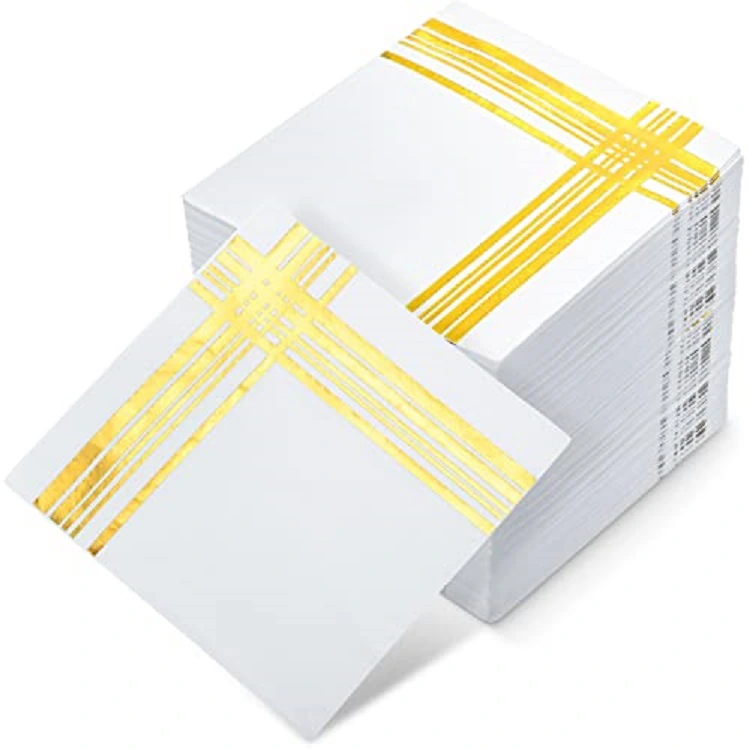
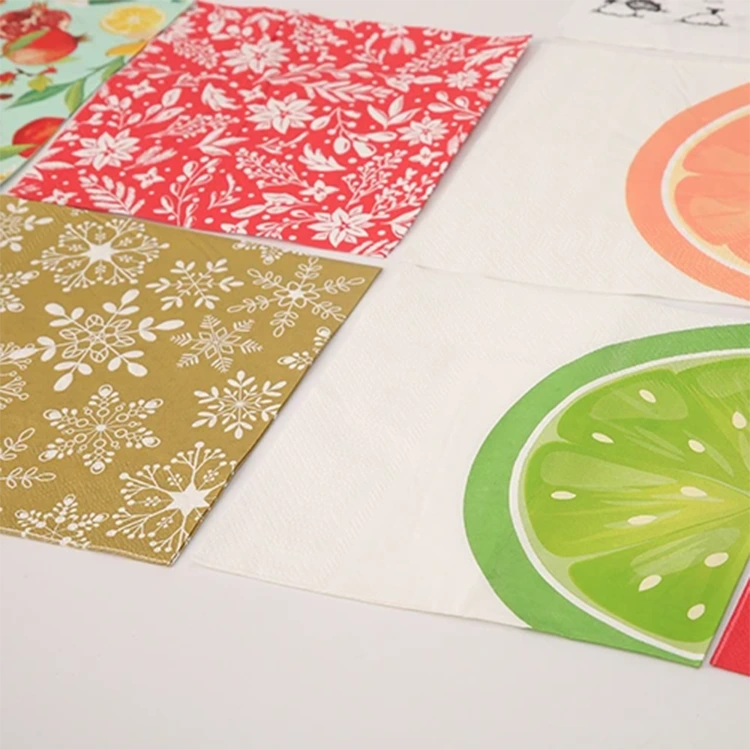
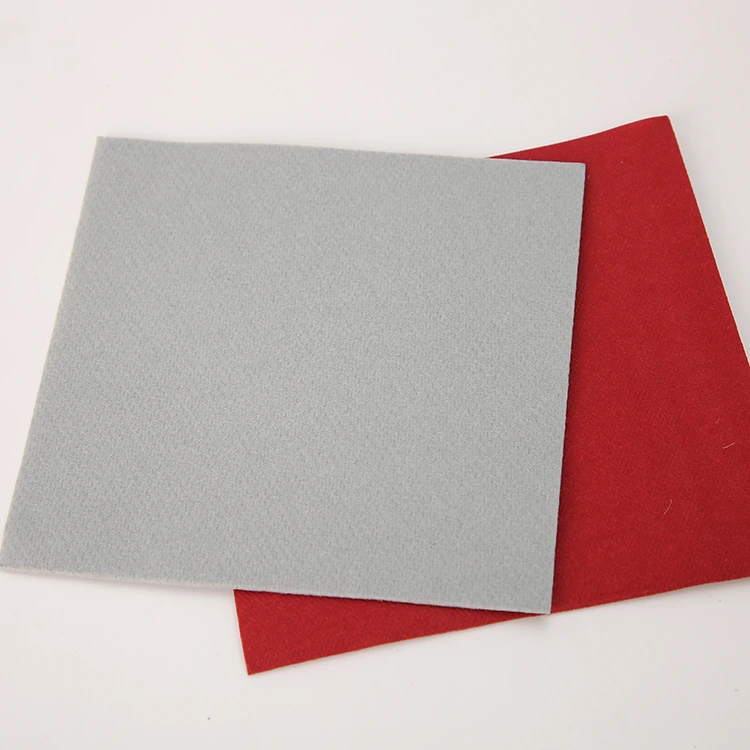
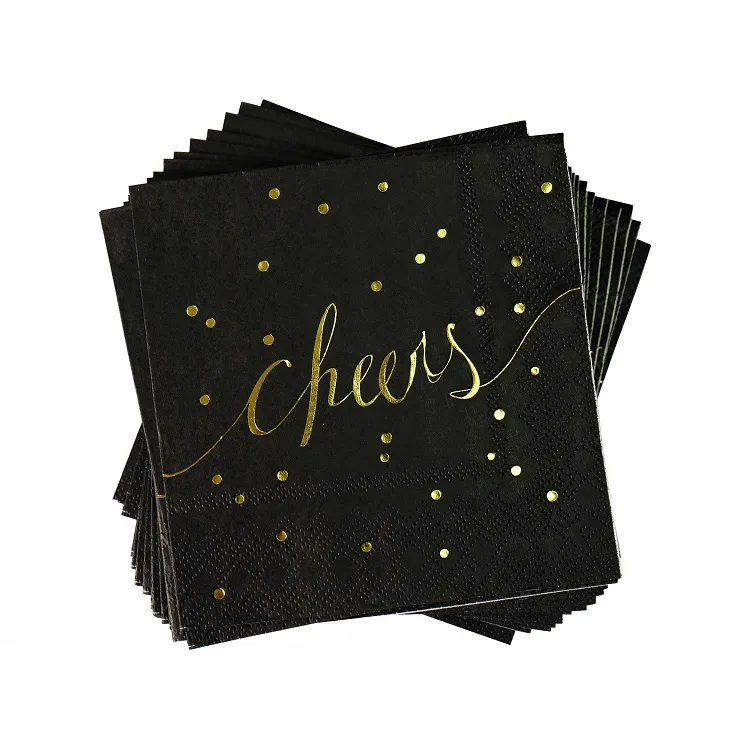
Material quality and design are critical factors when it comes to reducing waste while using scallop edge paper napkins in catering. Poor quality napkins tear easily, absorb insufficiently, or lose shape during service, which forces guests and staff to use multiple units per person. At Dongguan Yunding Paper Co., Ltd., our factory focuses on producing Paper Napkins by Styles and Designs that maximize both durability and visual appeal, ensuring fewer napkins are needed to achieve the desired effect.
The type and structure of the paper directly influence how efficiently a napkin can perform its function. High-quality napkins have the strength and absorbency needed for practical use, which helps reduce overall consumption.
Design is more than aesthetics; it affects guest behavior and functional performance. Scallop edge napkins not only enhance table presentation but also subtly guide guests to use them more efficiently.
Understanding the key specifications of napkins helps caterers select the right Paper Napkins by Styles and Designs to reduce waste effectively. Our factory produces napkins tailored to both functional and aesthetic requirements.
| Parameter | Recommended Options | Impact on Waste Reduction |
| Material Type | Virgin pulp or high-quality recycled pulp | Strong fibers improve durability and reduce tear-related waste |
| Ply Count | 1 Ply, 2 Ply, 3 Ply | Higher ply increases absorbency, reducing the number of napkins used per spill |
| Grammage | 15-22 gsm per ply |
Optimal thickness balances strength and efficiency |
| Edge Design | Precision scallop cut | Prevents premature tearing and maintains presentation quality |
| Embossing | Micro-embossed patterns | Enhances absorbency and structural integrity |
| Color Options | White, Ivory, Custom colors | Appealing appearance reduces unnecessary multiple use |
Investing in high-quality scallop edge napkins from Dongguan Yunding Paper Co., Ltd. is not simply a matter of appearance. The right material and design choices have measurable impacts on operational efficiency:
At Dongguan Yunding Paper Co., Ltd., our factory implements strict quality control measures across all production stages to ensure consistent performance. Key actions include:
In conclusion, material quality and design are fundamental to reducing napkin waste in catering. By choosing high-quality, well-designed Paper Napkins by Styles and Designs from Dongguan Yunding Paper Co., Ltd., catering operations can improve efficiency, reduce costs, and enhance sustainability without compromising presentation. Our factory’s expertise ensures each napkin is optimized for both function and aesthetics, helping clients achieve measurable waste reduction while delivering a premium guest experience.
Effective portion control and thoughtful distribution are essential strategies for reducing waste when using scallop edge paper napkins in catering. At Dongguan Yunding Paper Co., Ltd., our experience shows that even high-quality Paper Napkins by Styles and Designs can be wasted if guests or staff have unrestricted access. By implementing strategic placement and controlled distribution, catering operations can significantly minimize unnecessary consumption while maintaining service quality.
One of the simplest methods to control napkin usage is pre-setting napkins at each guest’s place. This method ensures that each guest receives exactly what they need, avoiding large stacks that encourage overuse.
At self-service stations, napkin waste can escalate rapidly if guests take more than they need. Portion-controlled dispensers and structured placement can reduce this problem.
Different event formats require different portion control strategies. Using the same distribution method for all events can lead to overuse or underuse.
| Event Type | Distribution Method | Napkin Size Recommendation |
| Formal plated dinner | One folded napkin per guest | 33cm x 33cm, 2-3 ply |
| Cocktail reception | Small stacks at each table or drink station | 20cm x 20cm, 1-2 ply |
| Buffet-style service | Dispensers with limited napkins, staff replenishment as needed | 25cm x 25cm, 2 ply |
| Outdoor events | Pre-packaged sets for each guest | 20-25cm, 1-2 ply |
Proper training and clear operational guidelines ensure that portion control strategies are consistently applied. Staff behavior is one of the most significant factors influencing napkin waste.
The design of napkins also interacts with portion control. Guests tend to take fewer napkins if each unit is visually appealing and clearly matches the event aesthetic.
Implementing portion control and structured distribution strategies brings multiple advantages:
In conclusion, careful portion control and strategic distribution are key to reducing napkin waste in catering. By pre-setting napkins, using controlled dispensers, aligning distribution with event types, training staff, and leveraging design advantages, catering operations can minimize unnecessary consumption while maintaining premium presentation. Dongguan Yunding Paper Co., Ltd. provides Paper Napkins by Styles and Designs that are specifically designed to support these operational strategies, helping our clients achieve both efficiency and sustainability.
Selecting the correct product specification is one of the most effective ways to reduce waste at the source. Over specification leads to excess material usage, while under specification causes multiple napkins to be used per guest. Caterers should consider event type, menu style, and guest profile when choosing napkin specifications. Formal dinners may require thicker multi ply napkins, while casual catering can benefit from lighter options that still perform well.
Our factory offers customization options that allow clients to fine tune parameters such as ply count, size, and embossing depth. This flexibility ensures that Paper Napkins by Styles and Designs meet functional needs without unnecessary excess.
Specification considerations include:
Dongguan Yunding Paper Co., Ltd. believes that specification driven purchasing decisions not only reduce waste but also optimize procurement budgets and inventory turnover.
Even the best napkins can become waste if storage and handling are neglected. Moisture exposure, improper stacking, and rough handling can render unused napkins unusable. Proper storage starts with a clean, dry environment. Napkins should be stored away from kitchens and dishwashing areas where humidity is high. Our factory packaging is designed to protect Paper Napkins by Styles and Designs during transport, but correct on site storage is equally important.
Handling protocols also matter. Staff should be trained to handle napkins with clean hands and avoid unnecessary exposure during setup. Rotating stock using first in first out principles ensures older inventory is used first, reducing disposal due to aging.
Recommended practices include:
Dongguan Yunding Paper Co., Ltd. integrates these practical insights into client guidance, helping our partners maximize the usable lifespan of every unit produced by our factory.
Reducing waste while using scallop edge paper napkins in catering requires a combination of smart product selection, thoughtful distribution, and disciplined operational practices. By understanding the causes of waste, choosing high performance materials, controlling portions, selecting proper specifications, and maintaining correct storage, catering businesses can achieve measurable reductions in consumption.
Dongguan Yunding Paper Co., Ltd. remains committed to supporting catering professionals with reliable Paper Napkins by Styles and Designs that align efficiency with presentation. Our experience from our factory allows us to provide solutions that drive both sustainability and profitability. For catering businesses seeking to reduce waste, optimize costs, and enhance brand perception, working with a manufacturer that understands real world usage makes a tangible difference. Contact our team to explore customized solutions designed for your specific catering needs and service environments.
How to Reduce Waste While Using Scallop Edge Paper Napkins in Catering?
Waste can be reduced by selecting appropriate napkin specifications, controlling distribution quantities, and training staff to replace only used napkins while maintaining proper storage conditions.
How to Reduce Waste While Using Scallop Edge Paper Napkins in Catering for Large Events?
Large events benefit from pre set napkin placement, size matching to menu type, and centralized backup distribution rather than placing excessive stacks on each table.
How to Reduce Waste While Using Scallop Edge Paper Napkins in Catering Without Affecting Presentation?
Using well designed scallop edge napkins with higher absorbency allows fewer units to be used while still delivering a premium visual experience.
How to Reduce Waste While Using Scallop Edge Paper Napkins in Catering Through Product Selection?
Choosing the correct ply count, size, and material quality ensures each napkin performs effectively, minimizing the need for multiple napkins per guest.
How to Reduce Waste While Using Scallop Edge Paper Napkins in Catering by Improving Operations?
Clear staff guidelines, proper storage, and inventory rotation help prevent unnecessary disposal of unused napkins before and after service.