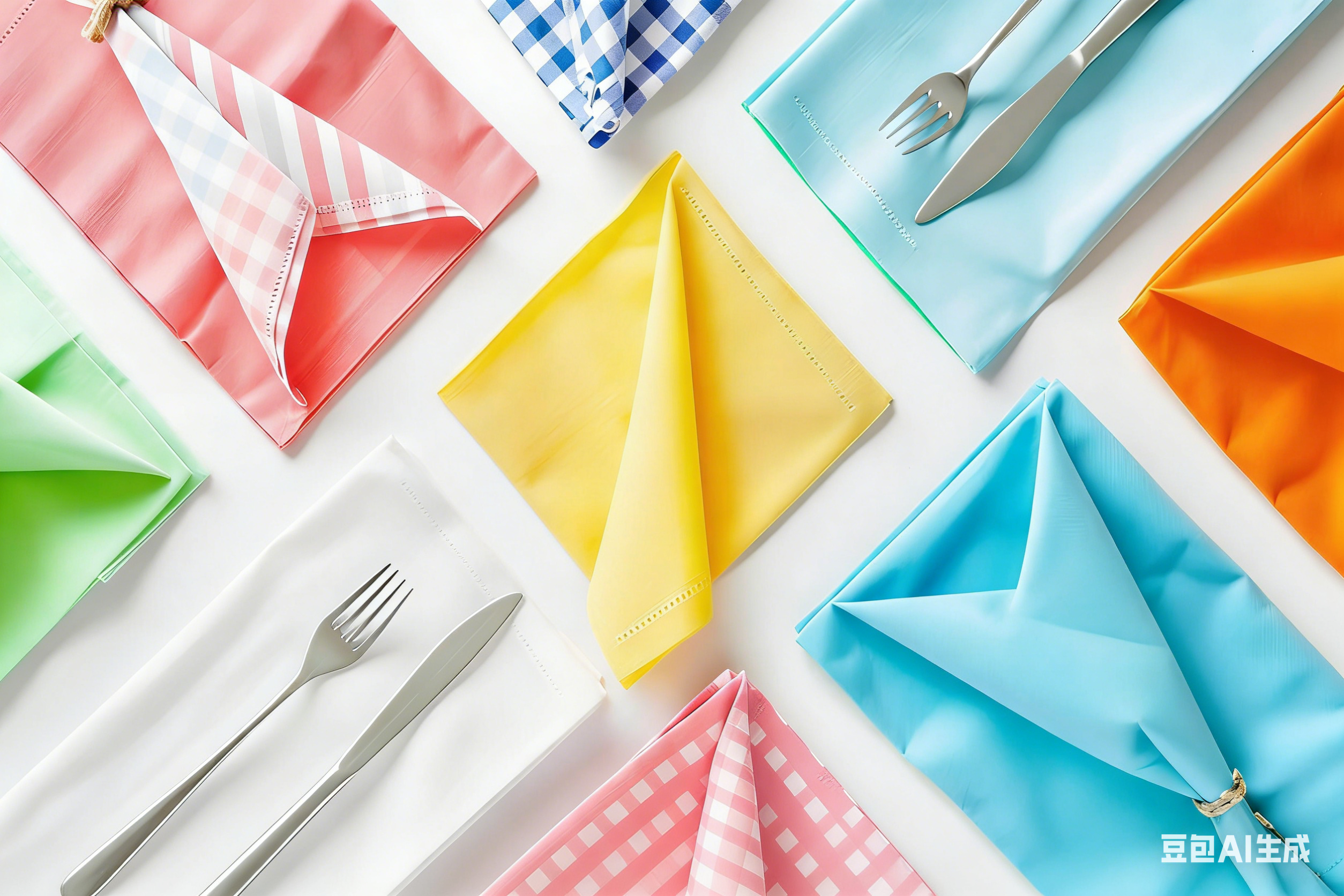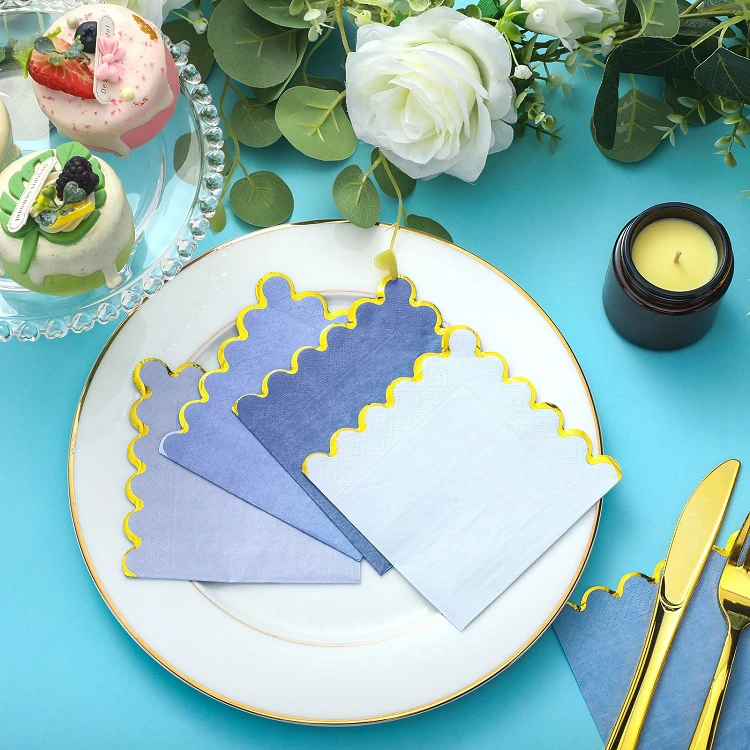
Abstract: From backyard barbecues to elegant garden parties, the choice of table setting details can transform ordinary meals into memorable experiences. This article explores the design, material composition, functional performance, and versatile applications of a classic patterned paper napkin. We examine how the iconic red plaid motif combines aesthetic appeal with practical utility, while also addressing environmental considerations and product selection criteria for hosts, event planners, and hospitality professionals.
1. The Enduring Appeal of Themed Paper Napkins in Social Gatherings
Paper napkins have evolved far beyond their utilitarian origins. Today, they serve as a canvas for artistic expression, a tool for thematic storytelling, and an essential element of tabletop presentation. Among the myriad designs available, the classic Red Picnic Plaid Paper Napkin stands out as a timeless favorite that evokes nostalgia, warmth, and a sense of casual elegance. Whether used for a family reunion, a corporate outdoor event, or a romantic alfresco dinner, this pattern instantly sets a cheerful and inviting tone.
The popularity of themed napkins is driven by several factors. First, they provide an affordable way to reinforce a party theme or color scheme without significant investment. Second, they offer convenience – disposable yet sturdy, they eliminate the need for post-event laundering. Third, they contribute to the overall sensory experience: the sight of a coordinated table setting, the feel of quality paper, and the practicality of a product that performs well under real-world conditions.
When selecting a napkin for an event, professionals and hosts consider not only appearance but also absorbency, lint-free properties, and resistance to tearing. The Red Picnic Plaid Paper Napkin addresses all these requirements, making it a trusted choice for caterers, party planners, and restaurants that prioritize both form and function.
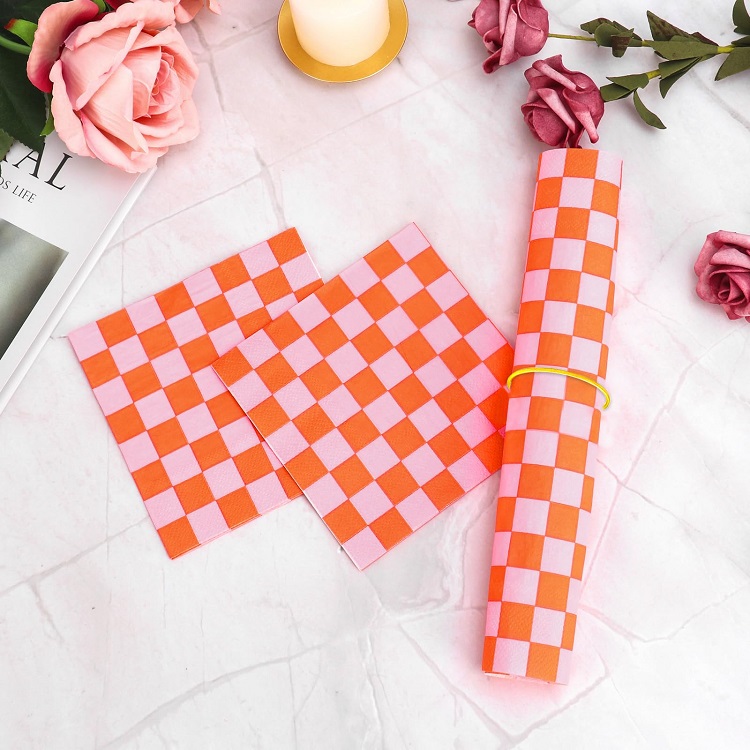
Visual Appeal
Instantly adds a festive and rustic charm to any table setting, complementing both casual and semi-formal dining environments.
Practical Utility
Offers reliable absorbency and durability, ensuring that guests can enjoy their meals without concern for mess or premature tearing.
Thematic Consistency
Pairs seamlessly with other red-and-white or farmhouse-style décor elements, creating a cohesive and Instagram-worthy presentation.
Cost-Effective Elegance
Provides an economical way to elevate the dining experience, making it accessible for both large-scale events and intimate gatherings.
2. Material Composition and Environmental Footprint
Understanding the materials behind a product is essential for today's environmentally conscious consumer. The Red Picnic Plaid Paper Napkin is typically manufactured from high-quality virgin pulp or recycled fiber blends, depending on the supplier. The production process involves pulping, refining, and forming into sheets, followed by printing and embossing to achieve the desired pattern and texture.
One critical aspect is the ink used for the plaid design. Modern printing techniques employ water-based or soy-based inks that are free from heavy metals and volatile organic compounds, reducing environmental impact. Additionally, many manufacturers adhere to sustainable forestry certifications, ensuring that the raw wood fiber comes from responsibly managed sources. The paper itself is biodegradable and can be composted under appropriate conditions, offering an alternative to single-use plastics that persist in landfills.
However, it is important to distinguish between different grades. Some napkins are bleached with chlorine, while others use oxygen-based bleaching processes. The choice of bleaching method affects both the environmental footprint and the final whiteness and brightness of the paper. For the red plaid design, the base paper is often a natural shade to enhance the contrast of the printed pattern, reducing the need for extensive chemical treatment.
- Made from sustainable virgin or recycled paper fibers
- Printed with food-safe, low-VOC inks
- Biodegradable and compostable in industrial facilities
- Minimal chlorine bleaching in eco-conscious production lines
- Lightweight design reduces transportation carbon footprint
3. Design Aesthetics: The Red Plaid Pattern and Color Psychology
Color and pattern are not merely decorative; they influence mood, perception, and even appetite. The red plaid design, characterized by intersecting horizontal and vertical bands of crimson, often paired with white or cream, carries strong associations with country fairs, harvest festivals, and cozy outdoor meals. Red, in color psychology, is known to stimulate the appetite and create a sense of excitement, making it an excellent choice for food-serving contexts.
The geometric regularity of the plaid pattern conveys order and tradition, while the warm red tones evoke feelings of comfort and hospitality. This combination makes the Red Picnic Plaid Paper Napkin particularly effective for events that aim to balance festivity with a touch of rustic sophistication. Whether paired with gingham tablecloths, wooden serving boards, or fresh flowers, the pattern harmonizes with a wide range of decor styles, from farmhouse to shabby-chic.
Furthermore, the scale of the plaid can vary. Some designs feature large, bold squares, while others use a finer, more delicate grid. The choice of scale affects the visual impact – larger patterns make a bolder statement, suitable for large gatherings, while smaller patterns may be more refined for intimate dinners. The versatility of the red plaid allows it to adapt to different seasonal themes, from summer picnics to autumn harvest celebrations.
| Design Element | Variation | Typical Occasion |
|---|---|---|
| Plaid Scale | Large, bold check | Barbecues, casual outdoor parties |
| Plaid Scale | Medium, balanced | Picnics, family reunions |
| Plaid Scale | Fine, subtle | Garden parties, tea gatherings |
| Color Intensity | Deep crimson | Autumn or winter events |
| Color Intensity | Bright red | Summer festivals, patriotic themes |
| Edge Finish | Straight cut | Everyday use |
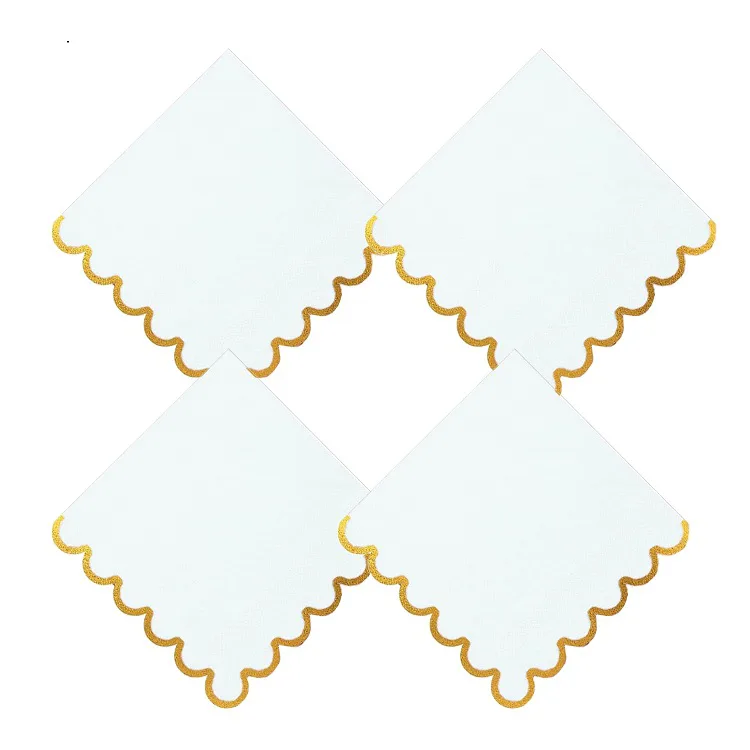
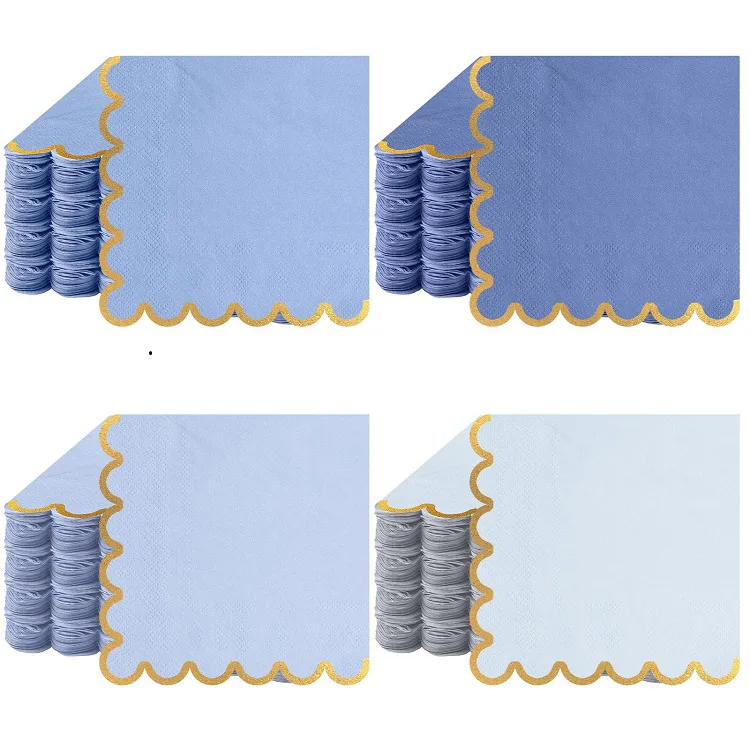
| Edge Finish | Embossed or scalloped | Formal or premium settings |
4. Functional Performance: Absorbency, Strength, and Durability
While aesthetics are important, the primary function of a napkin is to handle spills, wipe hands and faces, and provide a hygienic surface during meals. The Red Picnic Plaid Paper Napkin is engineered to balance softness with structural integrity. High-quality paper napkins typically feature multiple plies (layers) that increase absorbency and reduce the likelihood of tearing when wet.
Absorbency is influenced by the fiber composition, the degree of refining, and the presence of any chemical additives. Unbleached or lightly bleached fibers tend to retain their natural absorbency better than heavily processed ones. Additionally, the embossing pattern – often a subtle diamond or geometric texture – can enhance liquid uptake by creating capillary channels that draw moisture into the core of the napkin.
Strength, on the other hand, depends on fiber length and the bonding forces between fibers. Longer fibers, such as those from softwood species, provide greater tensile strength. Many premium napkins use a blend of hardwood (for softness) and softwood (for strength) to achieve an optimal balance. The red plaid printing process typically does not compromise strength, as modern printing is performed with mild conditions that preserve the paper's mechanical properties.
- 2-ply or 3-ply construction for superior absorption and tear resistance
- Embossed texture increases surface area for better liquid capture
- Prints remain vibrant without bleeding or fading when moist
- Low linting – minimizes residue on glassware and dinnerware
- Consistent quality across production batches for reliable performance
5. Versatility Across Occasions – From Casual Picnics to Formal Events
One of the most compelling attributes of the red plaid paper napkin is its remarkable versatility. It transitions effortlessly from a rustic outdoor picnic spread to an indoor holiday feast, adapting its visual role to suit the setting. For a lakeside picnic, the napkin adds a cheerful pop of color against a checkered blanket; for a Thanksgiving dinner, it echoes the warmth of autumn leaves; for a Fourth of July celebration, it harmonizes with patriotic decorations.
Beyond private gatherings, this napkin is widely used in the hospitality industry. Restaurants with a farm-to-table concept often choose red plaid to reinforce their brand identity. Catering companies favor it for outdoor weddings and corporate retreats because it offers a premium look at a reasonable cost. The durability ensures that guests can use it confidently, while the design leaves a lasting impression that enhances the overall dining experience.
Additionally, the red plaid pattern is gender-neutral and age-inclusive, making it a safe choice for diverse guest lists. It does not lean too feminine or masculine, and its classic nature appeals to traditionalists and modernists alike. This universality simplifies the planning process for event organizers, as they can rely on the napkin to complement various themes without clashing.
Outdoor Events
Picnics, barbecues, beach parties, and park gatherings – the red plaid evokes a carefree, al fresco spirit.
Seasonal Celebrations
Thanksgiving, Christmas, and harvest festivals benefit from the warm, inviting red tones.
Patriotic and Sporting Events
Red pairs well with white and blue for national holidays, or with team colors for viewing parties.
Everyday Dining
Even for casual family meals, the patterned napkin adds a touch of cheer without being overly formal.
6. Frequently Asked Questions About Patterned Paper Napkins
Yes. The multiple-ply construction and appropriate fiber blend provide excellent absorbency for oils and sauces. The embossing also helps trap liquids, preventing them from seeping through to hands or clothing.
High-quality napkins use fixed inks that resist rubbing and moisture transfer. However, it is always advisable to avoid excessive scrubbing against light-colored fabrics. The inks are generally food-safe and non-toxic.
Most paper napkins are recyclable if they are free from heavy food residue and plastic linings. They are also compostable in industrial facilities. Check the product label for specific certifications.
Common sizes include cocktail napkins (approx. 10x10 cm), luncheon napkins (33x33 cm), and dinner napkins (40x40 cm). The Red Picnic Plaid Paper Napkin often comes in a standard dinner size for versatile use.
Keep them in a cool, dry place away from direct sunlight and moisture. Excessive humidity can cause the paper to become limp or the colors to fade over time.
Absolutely. They are suitable for both hot and cold items. The paper does not lose its structural integrity when in contact with warm dishes, and the print remains stable.
For premium quality patterned napkins that combine design, durability, and eco-consciousness, Dongguan Yunding Paper Co., Ltd. offers a comprehensive range of options to meet your event and hospitality needs.
Contact Us >