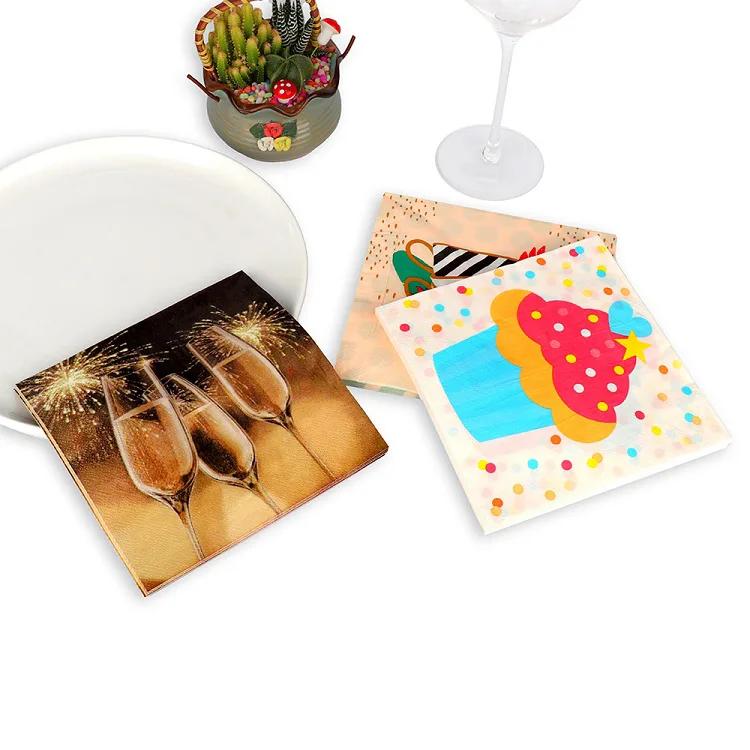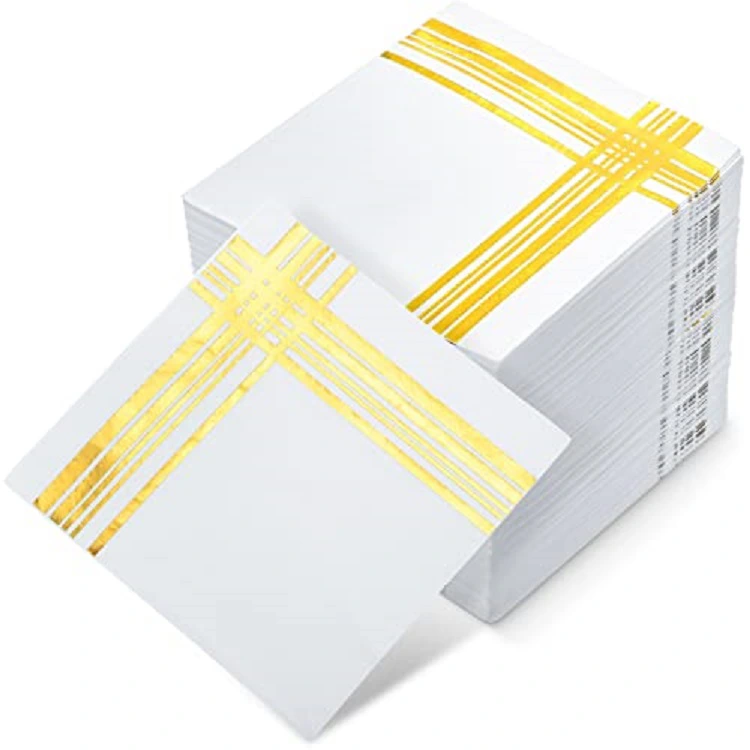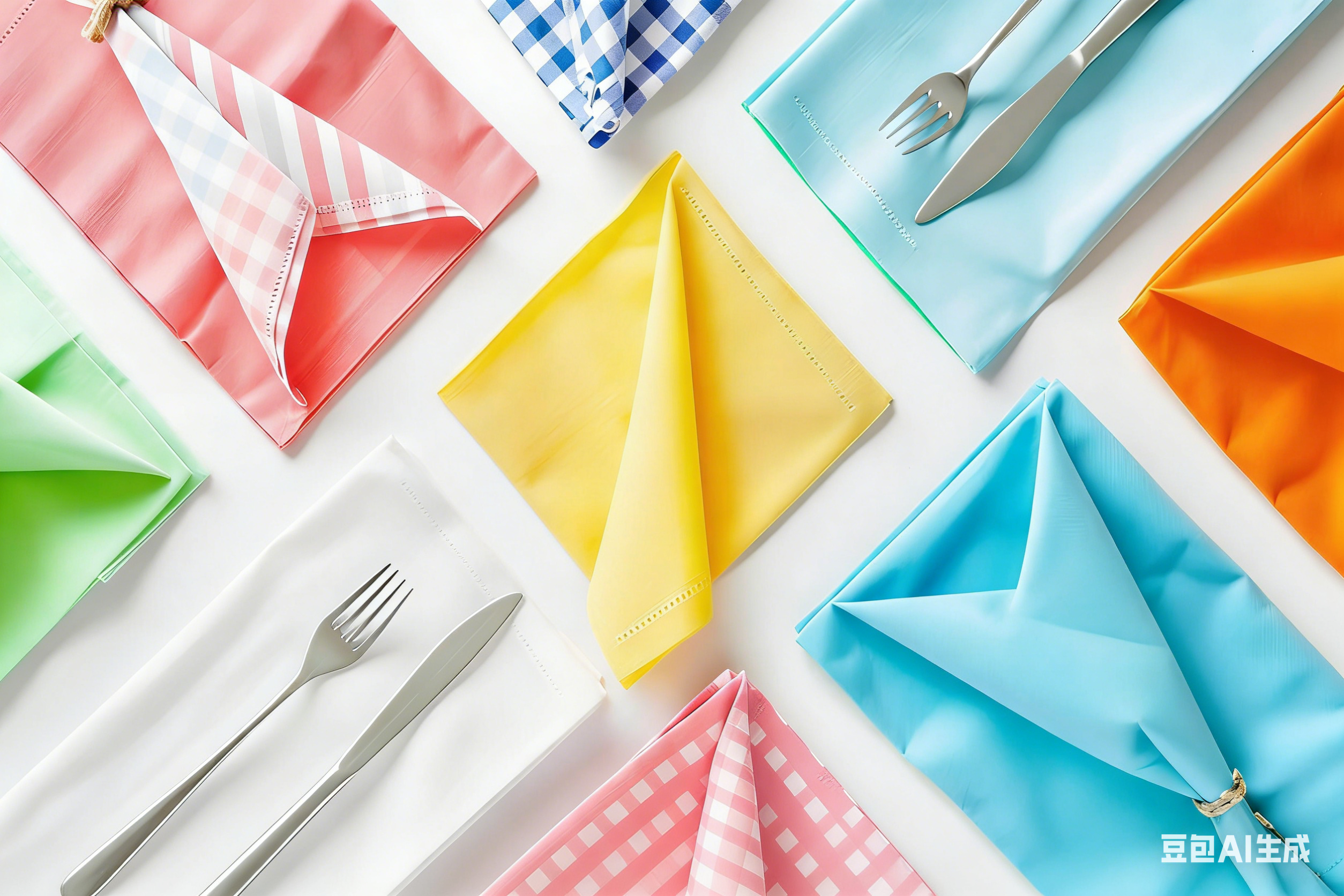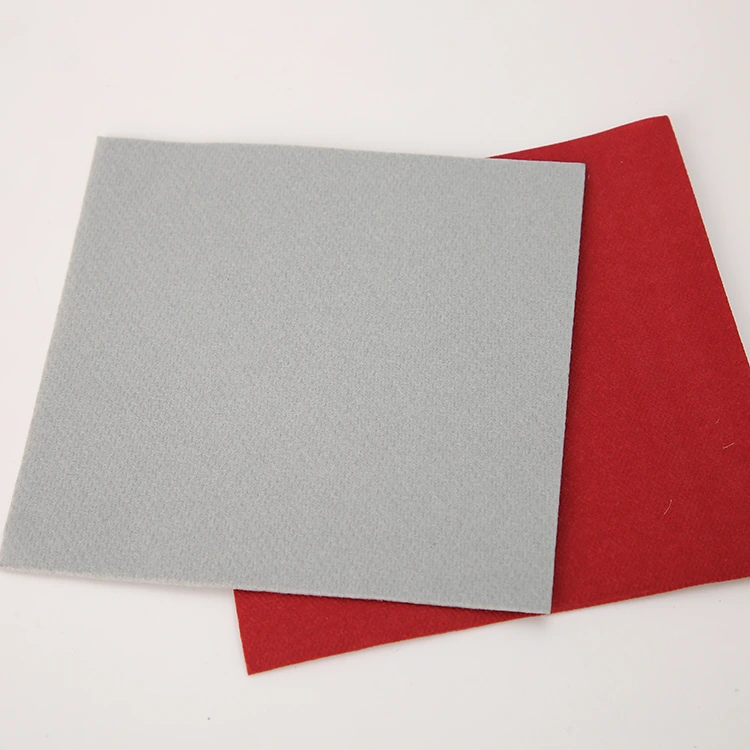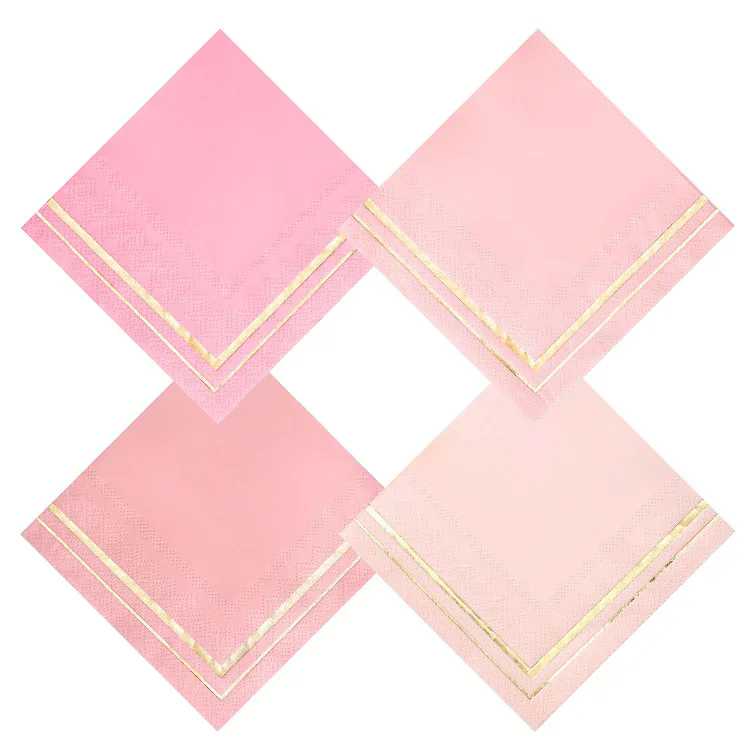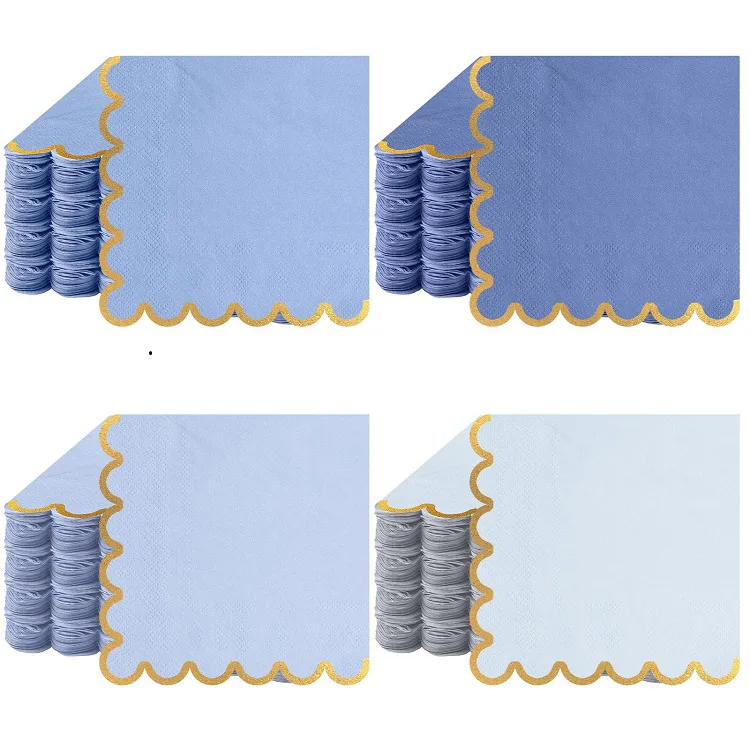

At Dongguan Yunding Paper Co., Ltd., we often receive questions regarding why paper napkins by styles and designs tend to feel thin and flimsy. Through years of experience in manufacturing, research, and development, our factory has developed a deep understanding of the balance between material selection, production techniques, cost-efficiency, and consumer needs. This article explores the multiple factors that influence napkin thickness, softness, and overall performance, providing a detailed explanation for both end-users and business buyers.
Our factory at Dongguan Yunding Paper Co., Ltd. carefully selects raw materials to ensure that our paper napkins by styles and designs maintain the best balance of softness, absorbency, and durability. The materials used are the primary determinant of thickness, hand feel, and performance. Here we detail the various materials and their specific characteristics.
Virgin pulp, derived from fresh wood fibers, provides exceptional softness and strength. Our factory sources high-quality virgin pulp to ensure that even single-ply napkins achieve adequate absorption and tear resistance. Virgin pulp fibers are long and flexible, giving our paper napkins by styles and designs a luxurious texture.
Recycled pulp offers an eco-friendly alternative and reduces production costs. However, fibers in recycled pulp are shorter and less cohesive, which can result in thinner napkins. Our factory blends recycled pulp with virgin fibers to optimize strength while maintaining sustainability goals.
By combining virgin and recycled pulp, our factory produces napkins that balance durability, softness, and cost-effectiveness. The blend ratio can be adjusted depending on target market requirements and desired thickness.
Our factory manufactures single-ply, two-ply, and three-ply napkins, each designed to meet specific usage requirements:
| Material Type | Thickness Range (mm) | Strength Level | Cost Implication |
| Virgin Pulp | 0.08-0.15 | High | High |
| Recycled Pulp | 0.05-0.12 | Medium | Low |
| Virgin + Recycled Blend | 0.06-0.14 | Medium-High | Medium |
| Virgin + Additives | 0.07-0.16 | High | High |
| Recycled + Additives | 0.06-0.13 | Medium | Medium |
By optimizing materials and blending strategies, our factory ensures that paper napkins by styles and designs are both functional and eco-conscious, meeting diverse customer needs without compromising quality.
The manufacturing process plays a critical role in determining napkin thickness, texture, and overall performance. Our factory at Dongguan Yunding Paper Co., Ltd. invests in state-of-the-art equipment and rigorous quality control to ensure consistent results across all paper napkins by styles and designs.
The pulp is carefully refined, beaten, and treated to control fiber length, water content, and viscosity. Proper pulp preparation ensures even fiber distribution, which directly impacts napkin uniformity and thickness consistency.
After formation, napkins pass through press rollers to remove excess water. Adjusting pressure and temperature can increase density and firmness without adding excessive thickness. Our factory continuously monitors these parameters to optimize softness and strength.
Embossing patterns are strategically applied to enhance structural integrity, improve absorption, and provide aesthetic appeal. Multi-ply bonding ensures that layers stay together during use, maintaining functionality for thin napkins. We carefully calibrate embossing depth to maximize performance without increasing bulk.
| Process Stage | Impact on Thickness | Impact on Strength | Impact on Cost |
| Pulp Preparation | Moderate | High | Medium |
| Wet-laid Formation | Consistent | High | Medium |
| Dry-laid Formation | Thin | Medium | Low |
| Pressing | Variable | Improved | Medium |
| Embossing | Minor | Enhanced | Low |
| Ply Bonding | Moderate | High | Medium |
| Cutting & Packaging | Minimal | Maintains | Low |
Cost is a key factor in determining the thickness and durability of paper napkins by styles and designs. At Dongguan Yunding Paper Co., Ltd., we carefully evaluate how production expenses impact material selection, ply count, and manufacturing techniques.
Automated machinery reduces labor costs but requires careful calibration. Our factory maintains skilled technicians to ensure optimal thickness and consistency, preventing thin or flimsy napkins.
Our factory emphasizes that thin napkins are not inherently low quality. Through material blending, embossing, and ply bonding, we achieve acceptable performance while keeping costs manageable for customers.
Understanding real-world usage is critical for designing effective paper napkins by styles and designs. At Dongguan Yunding Paper Co., Ltd., our factory analyzes consumer behavior to produce napkins that satisfy both practical needs and aesthetic preferences.
Compact packaging, fold style, and stack configuration influence user experience. Our factory designs napkins that are easy to dispense without tearing.

Environmental responsibility has become an essential factor in napkin production. At Dongguan Yunding Paper Co., Ltd., our factory prioritizes sustainability without compromising quality in paper napkins by styles and designs.
Energy-efficient machinery and water-saving processes minimize carbon footprint. Pressing, drying, and embossing methods are optimized to reduce waste while maintaining napkin performance.
We design compact, recyclable packaging to reduce transport volume and waste. Proper packaging preserves napkin integrity without increasing thickness unnecessarily.
Paper napkins by styles and designs produced by our factory at Dongguan Yunding Paper Co., Ltd. are designed with careful consideration of material properties, manufacturing processes, cost constraints, consumer usage, and environmental responsibility. Thin and lightweight napkins do not indicate poor quality; rather, they are a result of strategic design to balance performance, usability, and sustainability. By understanding these factors, buyers can make informed decisions for personal, commercial, or hospitality use. We invite you to explore our diverse range of paper napkins by styles and designs. Contact Dongguan Yunding Paper Co., Ltd. today to request samples and experience the superior quality of our factory's craftsmanship.
Contact Dongguan Yunding Paper Co., Ltd. today to learn more about our high-quality paper napkins by styles and designs and request a sample to experience our factory’s excellence firsthand.
Q1: Why do some paper napkins feel thinner than others?
A1: The thickness depends on the type of pulp, number of plies, and manufacturing process. Our factory balances cost and durability to meet different market needs.
Q2: Does ply count affect napkin durability?
A2: Yes, single-ply napkins are lighter and more flexible but less absorbent, while multi-ply napkins offer better strength and functionality.
Q3: Can recycled pulp produce thick napkins?
A3: Recycled pulp is eco-friendly but may be less dense. Our factory uses blending techniques to improve strength without sacrificing sustainability.
Q4: How does embossing affect napkin strength?
A4: Embossing increases structural integrity and absorbency, allowing thin napkins to perform effectively in real use.
Q5: Are premium napkins thicker than economy ones?
A5: Yes, premium paper napkins by styles and designs produced by our factory use high-quality virgin pulp and multiple plies for enhanced performance.
Q6: Does packaging influence napkin thickness?
A6: Compact packaging may require thinner folding, but our factory ensures proper ply bonding to maintain usability.
Q7: Why are environmentally friendly napkins often thinner?
A7: Eco-friendly napkins use recycled or sustainable pulp and are designed to degrade quickly, balancing environmental responsibility with performance.
Q8: How can I choose the right napkin for heavy use?
A8: Opt for multi-ply napkins with reinforced embossing. Our factory provides options suitable for heavy meals or events without compromising softness.