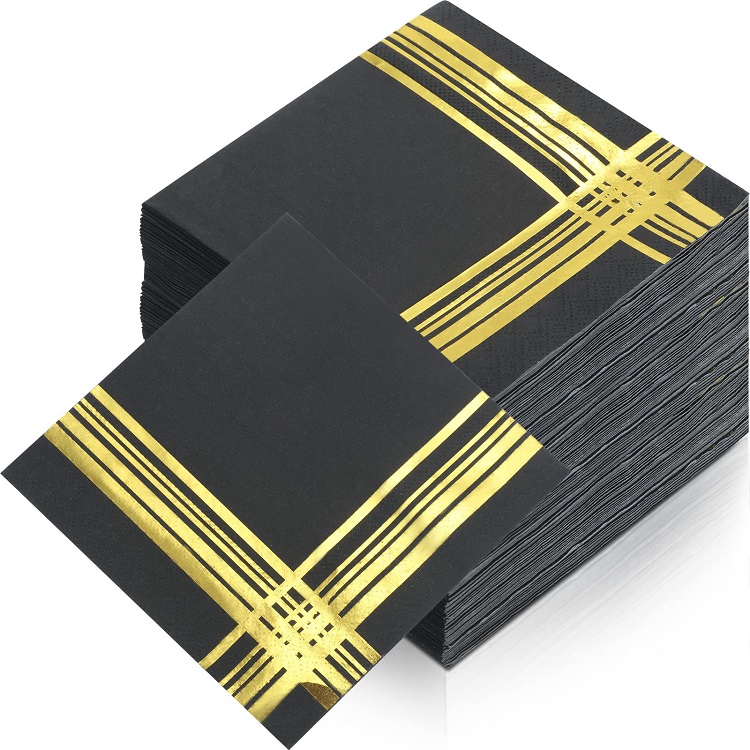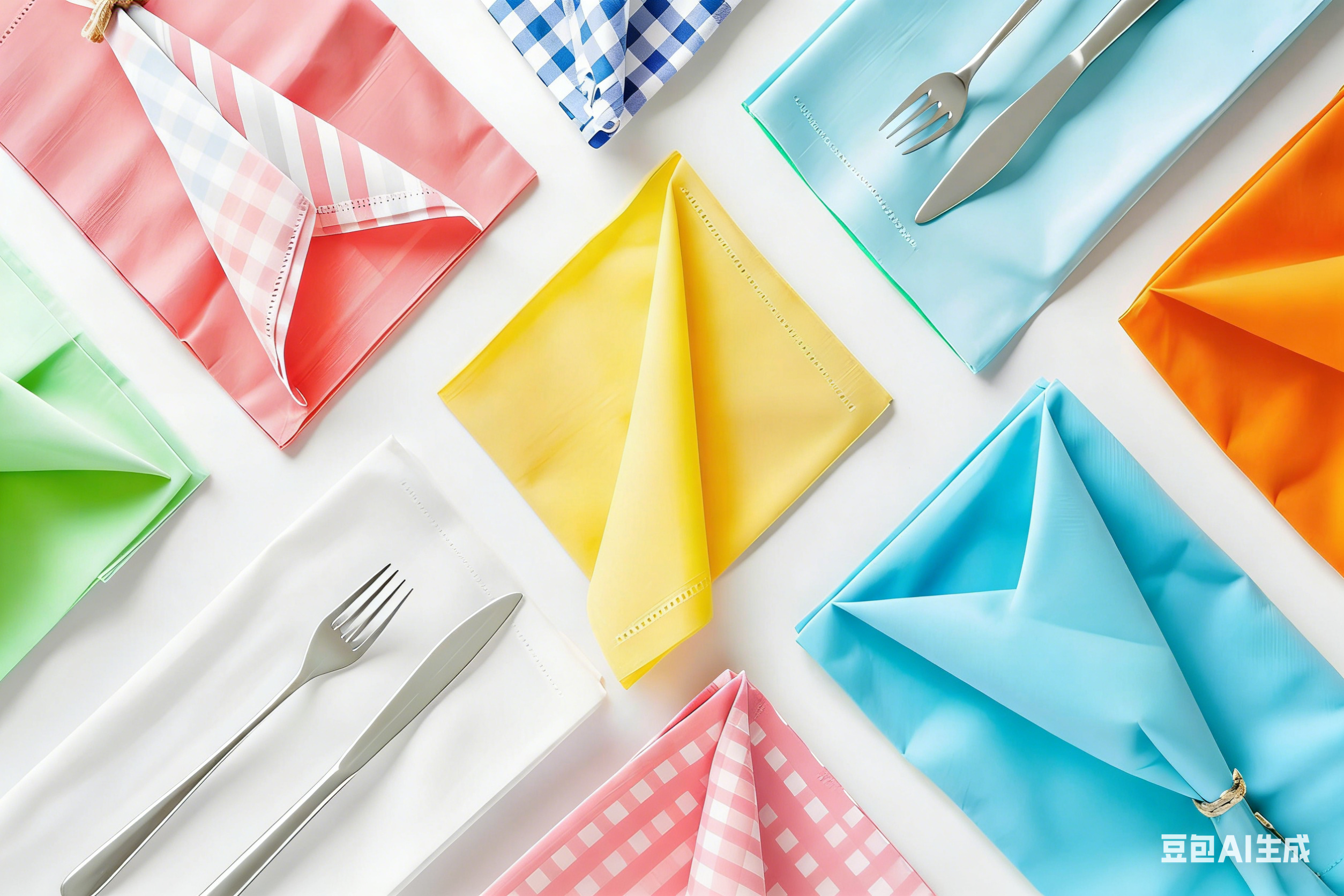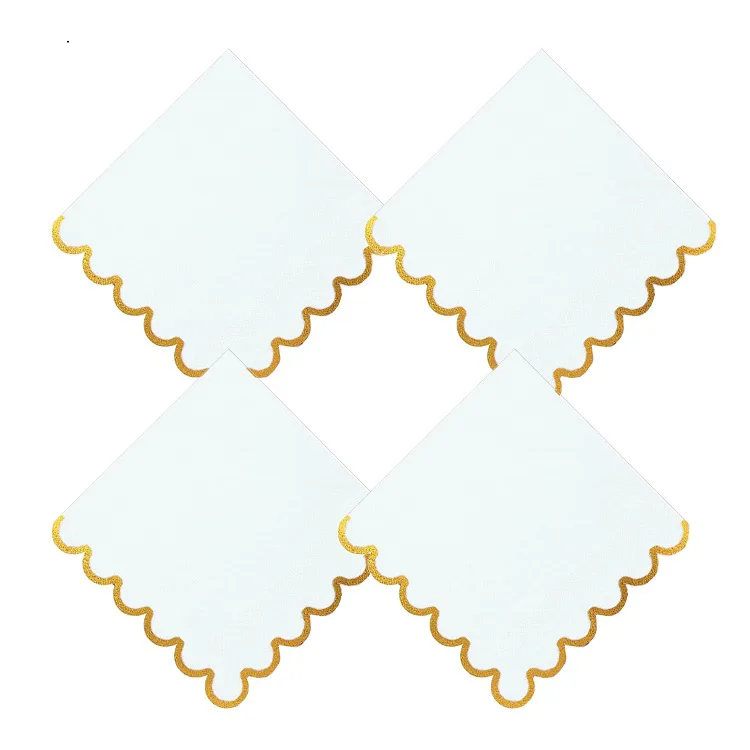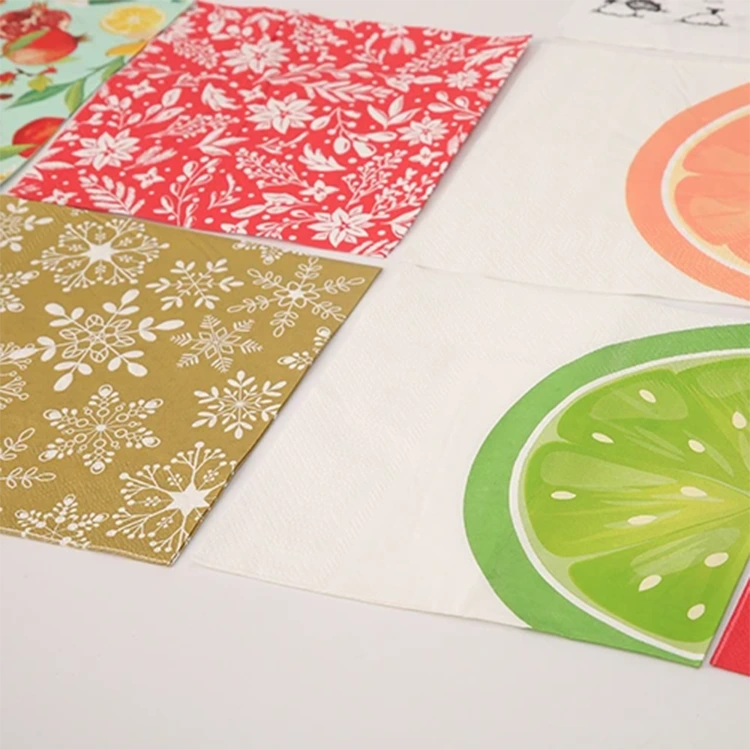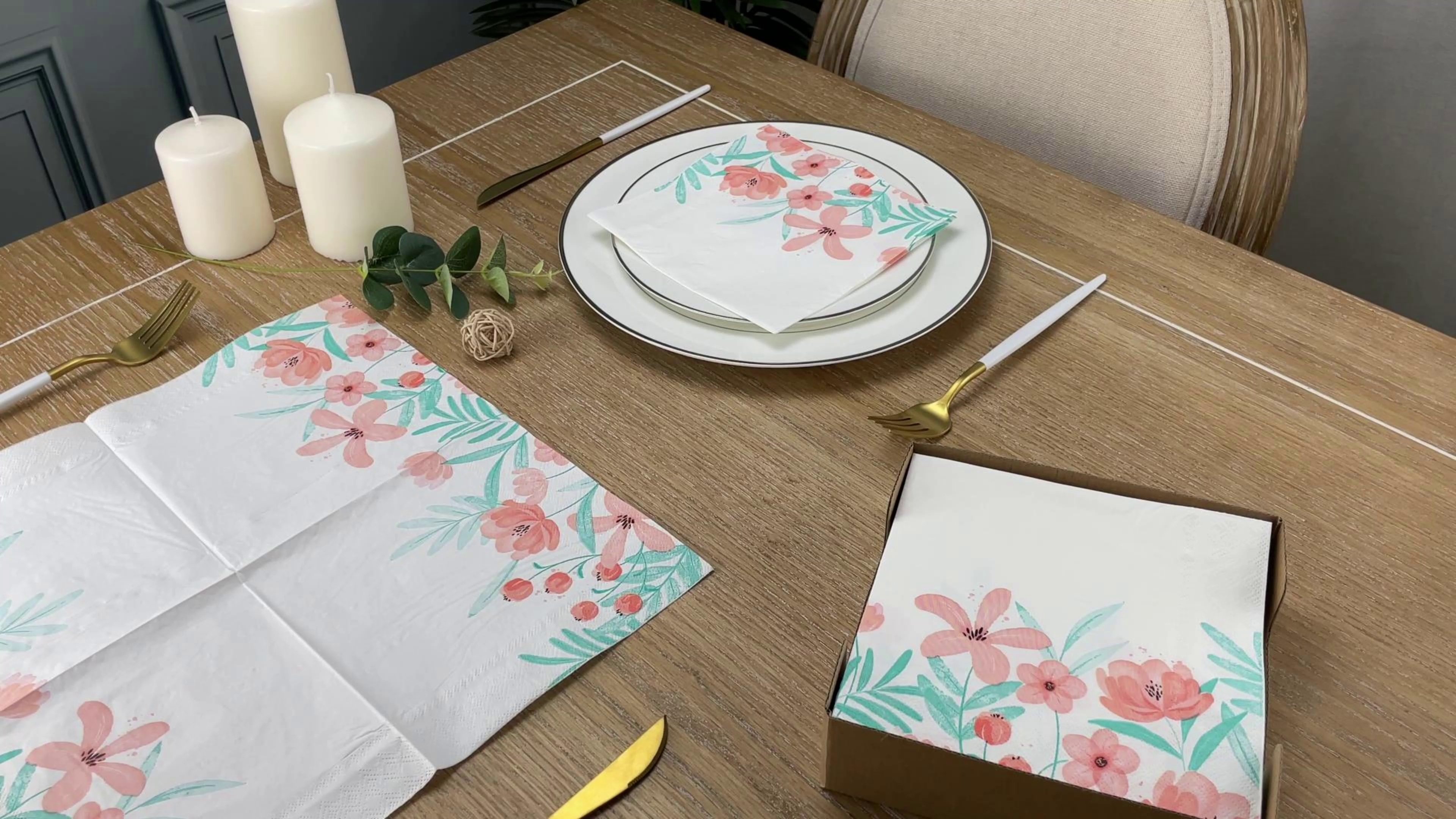

The environmental impact of paper napkins by styles and designs has become an important topic for both consumers and global buyers who want to understand how everyday hygiene items influence forests, water usage, and long-term sustainability. As demand for disposable paper goods continues to rise, it is essential to evaluate how materials, production processes, transportation, and waste handling contribute to ecological footprints. At Dongguan Yunding Paper Co., Ltd., our factory places great emphasis on responsible sourcing and efficient production to reduce excess resource consumption. This article explores the key environmental factors involved in paper napkin manufacturing, while introducing the specifications and benefits of our products for professional buyers.

The first major environmental factor related to Paper Napkins by Styles and Designs is the origin of raw materials. Most paper napkins are produced from virgin wood pulp, recycled pulp, or a blend of both. Virgin pulp ensures softness and reliability, but improper forest management can cause deforestation, habitat loss, and increased carbon emissions. To address these challenges, our factory adheres to strict supply chain standards, selecting wood pulp from responsibly managed forests. This approach helps reduce adverse ecological impact while improving traceability. Recycled pulp, while sometimes less soft, can significantly lower energy consumption and water usage during manufacturing. Dongguan Yunding Paper Co., Ltd. continues to expand its recycled-content product lines to support ecological balance and reduce reliance on natural forests.
Production Process and Energy Consumption
The manufacturing stage of Paper Napkins by Styles and Designs plays a crucial role in determining overall environmental impact. Paper making traditionally involves high water usage, thermal energy for drying, and electricity for pulping and converting. To reduce operational pressure on natural resources, our production lines optimize water circulation systems and energy management technologies. This helps lower emissions and minimize the waste produced during fiber refinement. Compared with outdated machinery, upgraded equipment requires less power and produces consistent product quality. Dongguan Yunding Paper Co., Ltd. places continuous investment into production improvements to ensure reliability, efficiency, and lower environmental burdens. Through these enhancements, our manufacturing footprint remains controlled even as market demand increases.
Product Specifications and Quality Advantages
While environmental impact is critical, buyers still require Paper Napkins by Styles and Designs that deliver comfort, durability, and performance across food service, hospitality, and household applications. The table below presents selected specifications of our paper napkins, demonstrating how the materials and structure support both customer satisfaction and resource optimization. By improving fiber distribution, softness, and absorbency, our products reduce unnecessary waste during usage.
| Material Options | Virgin wood pulp, recycled pulp blend |
| Layer Structure | One to three layers depending on usage requirements |
| Basis Weight Range | 13 to 18 gsm for food service and household applications |
| Color and Patterns | White, natural, or custom prints available |
| Certifications | Optional environmentally responsible certifications on request |
| Application Scenarios | Restaurants, hotels, event venues, packaging needs |
This combination of specification flexibility and responsible production aligns with our long-term sustainability goals and supports buyers seeking higher-quality and environmentally conscious solutions.
Another essential environmental factor is the disposal stage of Paper Napkins by Styles and Designs. Because napkins often come into contact with food residues, oils, and liquids, they are rarely recyclable after use. As a result, they typically enter landfills or incineration facilities. Although paper is biodegradable, decomposition rates vary significantly depending on moisture, oxygen levels, and organic contamination. To reduce long-term waste accumulation, our factory focuses on designing napkins that break down efficiently and avoid unnecessary chemical additives. Buyers can also play an active role by selecting napkins made from responsibly sourced pulp and encouraging better waste handling practices among end users.
Responsible manufacturing offers tangible environmental benefits, from material sourcing to post-use disposal. Our dedication to optimizing production, controlling waste, and improving product quality helps establish a more circular approach to paper usage. By focusing on recyclable content, reducing energy consumption, and implementing cleaner processing, our operations demonstrate measurable progress toward sustainability goals. Buyers who partner with Yunding gain access to reliable, eco-conscious products that support long-term resource conservation. This is especially valuable for businesses in hospitality, retail, catering, and wholesale distribution seeking consistent supply and strong compliance with market expectations.
Q1: What is The Environmental Impact of Paper Napkins?
The environmental impact relates to raw material sourcing, energy consumption, water usage, transportation emissions, and end-of-life disposal. Paper napkins require pulp and processing, which can strain natural resources if not responsibly managed. Responsibly sourced pulp, recycled fibers, and optimized production reduce the footprint significantly.
Q2: Are Paper Napkins biodegradable and environmentally friendly?
Paper napkins are biodegradable, but decomposition varies depending on conditions such as moisture and contamination. They are generally more environmentally friendly when made from responsibly sourced pulp or recycled fibers, and when manufactured using efficient resource management systems that reduce energy and water use.
Q3: How can companies reduce the environmental impact of Paper Napkins?
Companies can improve sustainability by choosing products made with recycled pulp, reducing over-packaging, optimizing logistics, and purchasing from factories that implement efficient water and energy systems. Selecting high-quality napkins also reduces waste because customers use fewer pieces per event or service setting.
The environmental impact of Paper Napkins by Styles and Designs extends across every stage of their lifecycle, from the forests that provide raw pulp to the disposal systems that handle used napkins. By improving sourcing, energy control, material efficiency, and transportation strategies, manufacturers can significantly reduce the ecological footprint. At Dongguan Yunding Paper Co., Ltd., our commitment to quality, sustainability, and responsible production ensures that buyers receive dependable products that support both performance and environmental goals. With ongoing innovation and steady investment into cleaner operations, our factory continues to provide solutions that benefit global clients and reduce long-term ecological pressure. To explore customized specifications or request detailed quotations, contact our team today and let us support your business with high quality and sustainable paper napkin solutions.